There’s nothing quite like the joy of having a pet. As pets grow older, they face new challenges, and it becomes the owner’s responsibility to ensure their well-being during their senior years. Being aware of common health issues and making adjustments to daily care can help senior pets maintain a comfortable, happy life.
Common Health Issues in Senior Pets and Management Tips 🐶
| Health Issue | Management Tips |
| Arthritis and Joint Problems | Regular, gentle exercise can help maintain mobility. Consider adding supplements like glucosamine and chondroitin or Omega-3 products to their diet. A cozy, supportive bed, treading on stairs, and gentle range-of-motion exercises can also make a big difference. |
| Dental Disease | Brush your pet’s teeth or provide veterinary approved dental preventative products for at-home care. Regularly scheduled, professional dental procedures at Sleepy Hollow Animal Hospital can prevent more serious dental issues. |
| Weight Gain | Maintain a balanced diet tailored to senior pets. As metabolism decreases, pets often require fewer calories, so consult a veterinarian about feeding amounts. Regular exercise, even light walks, helps maintain a healthy weight. |
| Kidney and Liver Issues | Ensure your pet has access to fresh water and a diet appropriate for senior pets. Regular blood tests can catch these issues early; Sleepy Hollow Animal Hospital recommends senior pets have lab work performed at least every 6 months. |
| Vision and Hearing Loss | Keep their environment familiar and avoid moving furniture around. Use verbal and visual commands simultaneously, and consider pet-safe ramps. |
| Cognitive Dysfunction | Engage your pet with interactive toys and new activities to stimulate their mind. Consistency in their routine also helps in managing confusion and anxiety. |
Practical Tips for Caring for Your Senior Pet ✨
Regular Veterinary Visits: Schedule routine wellness exams and diagnostic testing, as early detection is crucial in managing age-related health issues.
Balanced Nutrition: Provide a diet specifically formulated for senior pets. Consult with your veterinarian to ensure they are getting the right nutrients and calories for their ideal weight.
Exercise: Keep them active but avoid overexertion. Shorter, more frequent walks and gentle playtime are ideal for helping maintain muscle mass and joint fluidity.
Comfort: Ensure your home is senior-pet-friendly. Soft bedding, easy access to food and water, and a safe, quiet space can enhance their quality of life.
Grooming: Regular grooming sessions help prevent matting and can also help you spot any changes in their skin, coat, or overall condition. It’s also a great bonding activity.
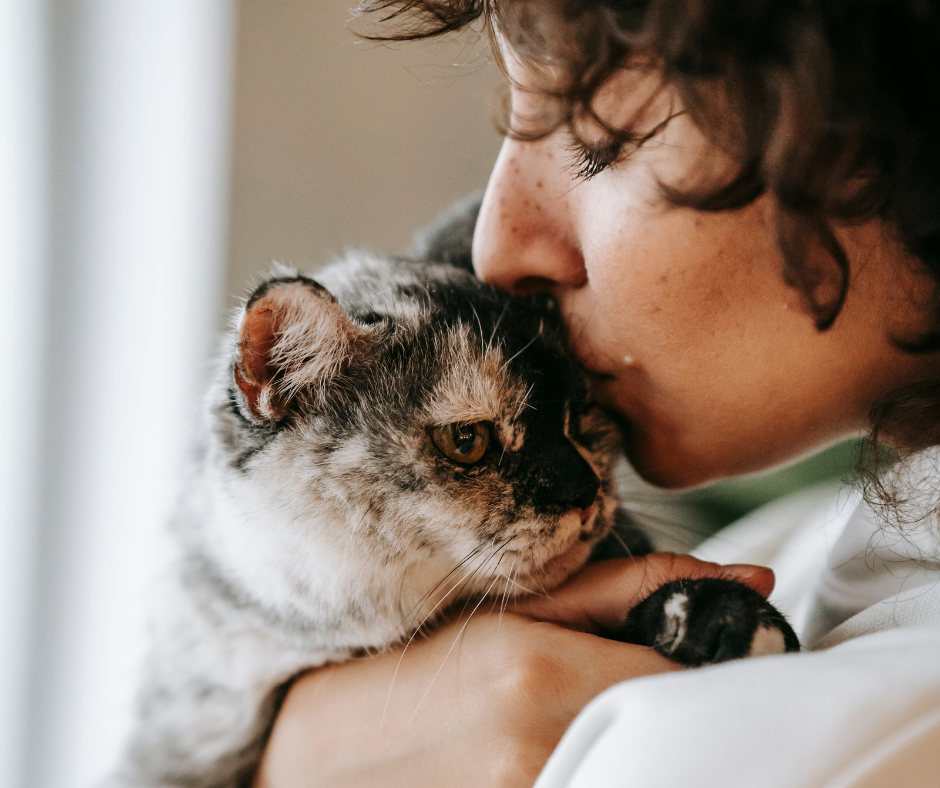
Embrace the Joys of Your Senior Pet: Provide emotional comfort and reassurance with a serene, loving environment, gentle interactions, and a consistent routine to help them feel secure and cherished.