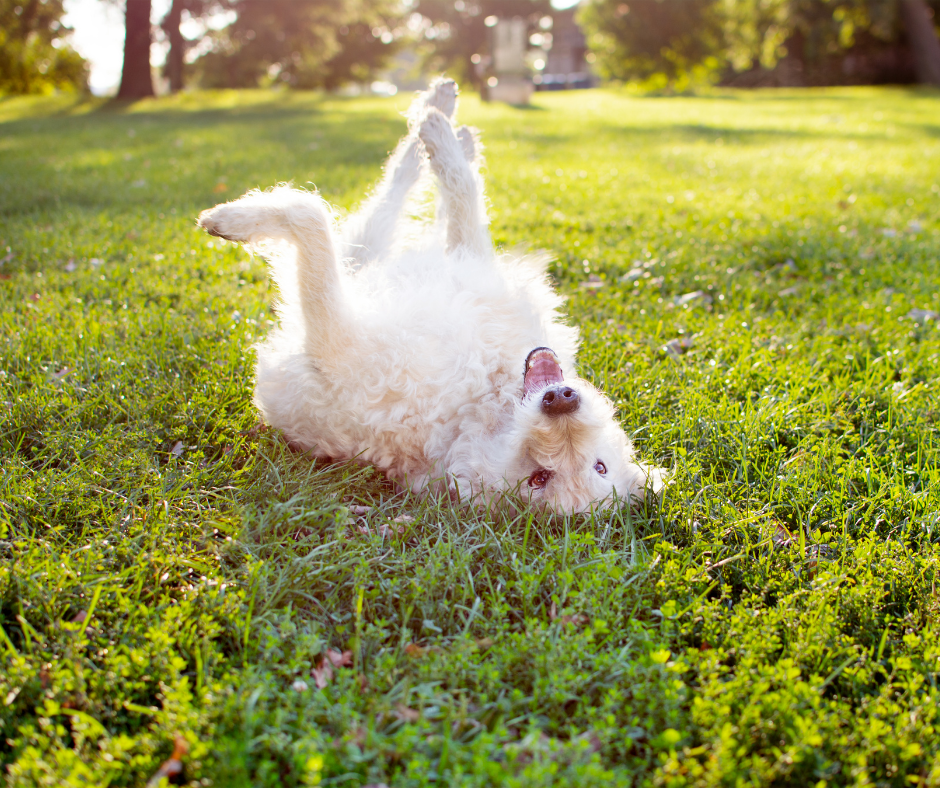
As winter sets in, pet owners with outdoor companions face unique challenges in ensuring their furry friends’ well-being. It is crucial to be proactive in providing necessary care due to plummeting temperatures and icy conditions.
Tips For Navigating Winter With Your Outdoor Pets ☃️
Shelter is Key: Pets need a warm and dry place to retreat from the cold.
Provide a well-insulated outdoor shelter with a raised floor to prevent dampness.
Ensure the entrance is covered to shield your pet from wind and snow.
Consider adding cozy bedding, such as straw or blankets, to keep them warm during frosty nights.
In extremely cold weather, consider creating a warm haven indoors, such as a corner in the garage or a well-insulated kennel, equipped with comfortable bedding.
Adequate Nutrition: Cold weather can increase your pet’s energy needs as they burn more calories to stay warm.
Consult a veterinarian to determine if your pet requires additional food during the winter months.
Adequate nutrition is crucial for maintaining a healthy weight and ensuring your pet has the energy to stay warm.
Hydration Matters: Outdoor pets still need access to fresh water, even in the cold.
Use heated bowls or change the water frequently to ensure their water bowls don’t freeze.
Staying hydrated is essential for overall health.
Protect Their Paws: Ice, snow, and cold surfaces can be harsh on your pet’s paws.
Consider investing in booties to protect them from frostbite and ice melt chemicals.
Wipe their paws after outdoor excursions to remove any salt or ice melt residue, which can irritate their skin and be harmful if ingested.
Monitor Outdoor Time: Limit the time your pet spends outdoors during extreme cold weather conditions.
Monitor them closely for signs of discomfort, such as shivering or lifting their paws.
If your pet prefers being outside, ensure they have a way to signal when they want to come indoors.