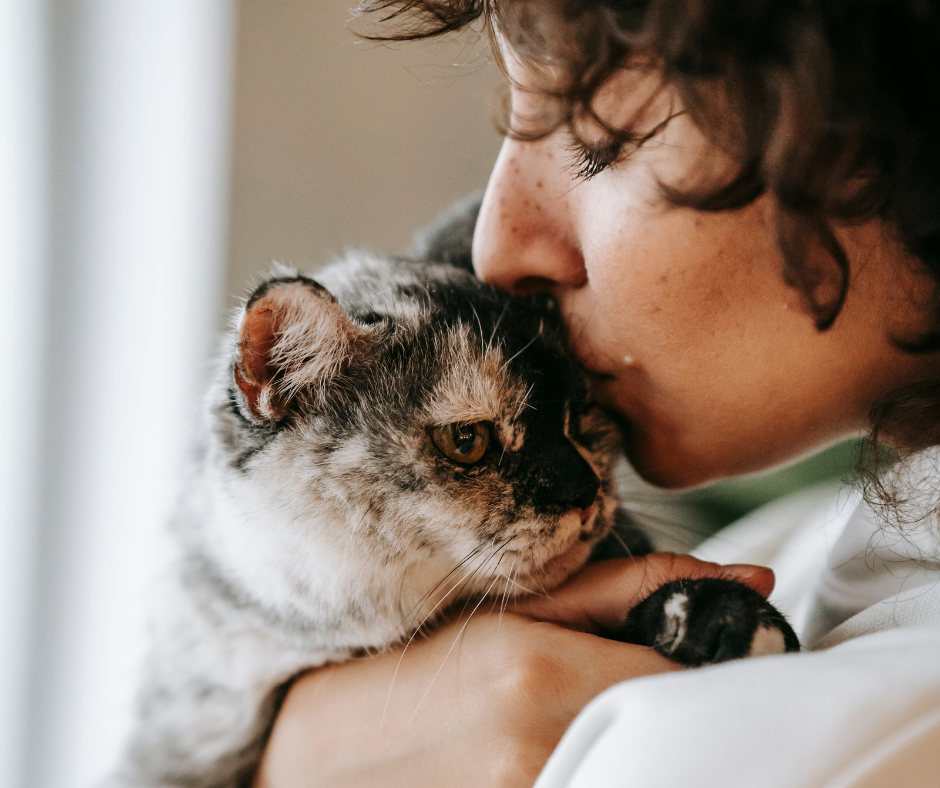
Bad breath is common, but it is not always “normal.”
Many pet owners notice their dog or cat has bad breath and assume it is just part of having a pet. While the occasional unpleasant smell after a meal may not be concerning, ongoing bad breath can be a sign of dental disease, infection, or inflammation in the mouth. In fact, persistent odor is often one of the first clues that bacteria and plaque have started building up around the teeth and gums.
At Sleepy Hollow Animal Hospital, we want pet owners to know that dental care is about much more than fresh breath. Your pet’s mouth plays an important role in their overall comfort and health. When dental problems are ignored, pets can experience chronic pain, difficulty eating, and infections that may affect more than just the teeth.
For families in Westchester County, New York, routine dental care is one of the simplest ways to help pets stay healthier, happier, and more comfortable throughout their lives.
What causes bad breath in dogs and cats?
Bad breath usually starts with bacteria. After your pet eats, bacteria in the mouth combine with food particles and saliva to form plaque. If plaque is not removed, it hardens into tartar, which sticks to the teeth and creates the perfect environment for more bacteria to collect.
Over time, this buildup can irritate the gums and lead to gingivitis, periodontal disease, tooth root infections, and oral pain. You may notice bad breath first, but there may be a lot more happening below the gumline that cannot be seen just by looking at your pet’s smile.
Some pets are more prone to dental issues than others. Small-breed dogs, senior pets, and pets with crowded teeth often develop dental disease earlier. Cats can also experience painful dental conditions, including tooth resorption and gum inflammation, which may cause discomfort even when the teeth look fairly normal from the outside.
Signs your pet may have dental disease
Because dogs and cats are very good at hiding pain, dental disease can progress quietly. Many pets continue eating even when their mouths hurt, especially if they are hungry or highly food-motivated. That is why it is important to watch for subtle changes in behavior.
Signs of dental problems may include:
- Persistent bad breath
- Yellow or brown tartar on the teeth
- Red, swollen, or bleeding gums
- Drooling more than usual
- Dropping food while eating
- Chewing on one side of the mouth
- Pawing at the face or mouth
- Loose or missing teeth
- Reduced appetite or preference for soft food
- Irritability, hiding, or changes in normal behavior
If you notice any of these signs, your pet should be evaluated. Dental disease can be uncomfortable, and the sooner it is addressed, the easier it often is to prevent more serious problems.
Why dental disease affects more than just the mouth
It is easy to think of dental care as a cosmetic issue, but oral health is closely connected to overall wellness. When bacteria and inflammation build up in the mouth, the gums can become damaged and painful. In advanced cases, infection may spread deeper into the tissues around the teeth, leading to tooth loss or abscesses.
Dental pain can also affect your pet’s quality of life. A dog who no longer enjoys chewing toys or a cat who becomes picky with food may be dealing with discomfort. Some pets become quieter, sleep more, or seem less playful, and owners may not realize dental pain is part of the reason.
Untreated dental disease may also place stress on the body. Bacteria from the mouth can enter the bloodstream and may contribute to health concerns involving organs such as the heart, liver, and kidneys. While every pet is different, keeping the mouth healthy supports the whole body and helps reduce avoidable discomfort.
What happens during professional dental care?
A professional dental evaluation allows your veterinary team to assess your pet’s teeth, gums, and overall oral health. In many cases, a complete dental cleaning is recommended when tartar, gingivitis, or periodontal disease is present.
Unlike a quick brushing at home, a professional dental cleaning allows the veterinary team to clean above and below the gumline, where bacteria can cause the most damage. Pets are placed under anesthesia so the cleaning can be thorough, safe, and stress-free. This also allows the veterinarian to examine each tooth carefully and address painful issues that may not be obvious during an awake exam.
Dental X-rays are also performed. They are especially helpful because many dental problems happen below the gumline, including tooth root disease, bone loss, fractures, and hidden infections. Without X-rays, it is possible to miss problems that are causing pain.
At Sleepy Hollow Animal Hospital, dental recommendations are made with your pet’s comfort, safety, and long-term health in mind. If your pet needs a cleaning or additional treatment, we will walk you through what to expect and answer your questions before moving forward.
How to support your pet’s dental health at home
Home care is an important part of dental wellness, especially between professional cleanings. Brushing your pet’s teeth with pet-safe toothpaste is one of the best ways to reduce plaque, but it does not have to be perfect to be helpful. Start slowly, reward often, and focus on building a routine your pet can tolerate.
Some pets may also benefit from dental diets, chews, water additives, or other veterinarian-recommended products. Not every product is right for every pet, especially if your dog or cat has allergies, a sensitive stomach, chewing limitations, or a history of swallowing treats whole. Your veterinary team can help you choose safe options that fit your pet’s needs.
Most importantly, do not wait for obvious pain. If your pet has bad breath, visible tartar, red gums, or changes in eating habits, it is time to schedule an exam. Dental disease is common, but it is also manageable with the right care plan.
If you are concerned about your pet’s breath or oral health, contact Sleepy Hollow Animal Hospital to schedule a dental evaluation. Our team is here to help your dog or cat stay comfortable, healthy, and ready to enjoy every stage of life in Westchester County, New York.