Healthy habits start with what goes in the bowl
Good nutrition is one of the most important foundations of your pet’s overall health. The food your dog or cat eats each day affects their energy, digestion, skin and coat, weight, mobility, immune health, and quality of life. But with so many pet food brands, labels, trends, and online opinions, it can be difficult to know what is truly best for your pet.
At Sleepy Hollow Animal Hospital, we understand that nutrition is not one-size-fits-all. A growing puppy, an indoor adult cat, an active dog, and a senior pet with arthritis all have different needs. For families in Westchester County, having a trusted veterinary team to guide nutrition and weight management can make those everyday decisions much easier and much more effective.
Why weight management matters more than many pet owners realize
A few extra pounds may not seem like much, especially on a fluffy pet, but excess weight can have a real impact on long-term health. Even mild weight gain can place extra strain on joints, make breathing harder, reduce stamina, and contribute to discomfort as pets age. For dogs with arthritis or knee problems, weight control can make a noticeable difference in mobility. For cats, excess weight may increase the risk of diabetes, grooming difficulty, and litter box challenges.
The tricky part is that weight gain often happens slowly. You may not notice it from day to day, especially if your pet is still eating, playing, and acting mostly normal. That is why regular wellness exams and weigh-ins are so helpful. Tracking weight over time gives your veterinary team a clearer picture of what is changing and whether your pet’s current diet and routine still fit their needs.
Weight management is not about judgment or strict dieting. It is about helping your pet feel better, move more comfortably, and enjoy a longer, healthier life.
Feeding the right amount, not just the right food
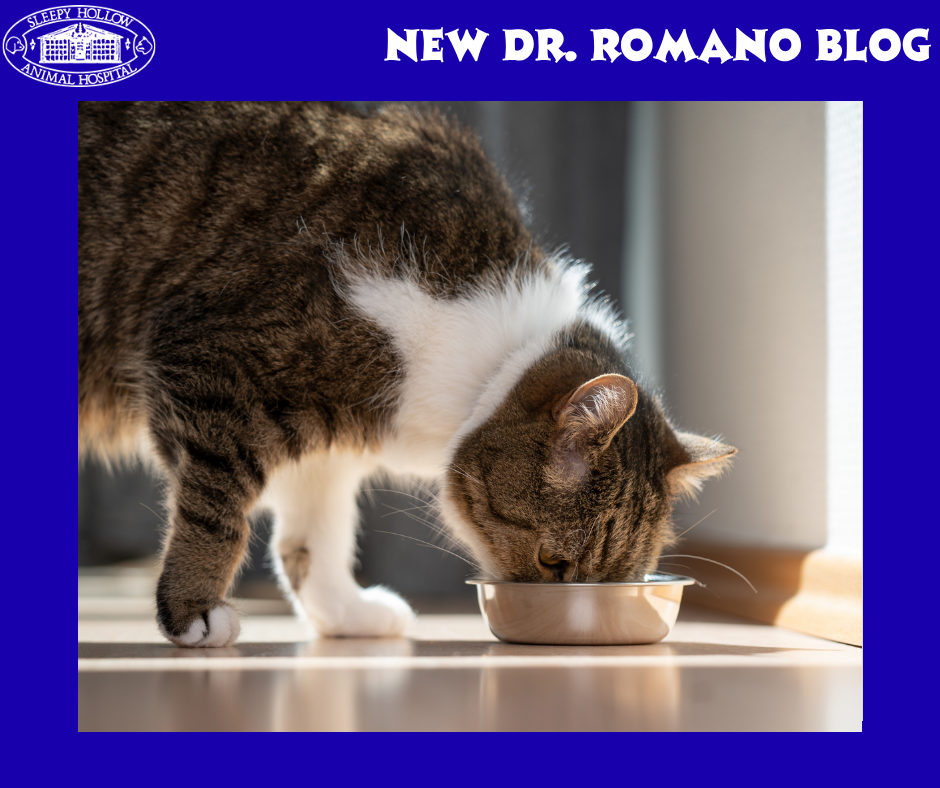
Choosing a high-quality food is important, but portion size matters just as much. Many pets gain weight NOT because they are eating a “bad” food, but because they are eating slightly too much for their activity level. Feeding guidelines on bags and cans are only general recommendations, and they may not match your pet’s metabolism, age, breed, or lifestyle.
Measuring meals is one of the simplest ways to start. A “scoop” can vary widely depending on the cup or container used, so using a standard measuring cup or even a kitchen scale can make feeding more consistent. If multiple family members feed the pet, it can help to create a shared plan, so portions do not accidentally double.
Treats also count. Many pet owners are surprised by how quickly small snacks add up, especially if treats are given during training, after walks, at bedtime, or from the table. You do not have to eliminate treats completely, but it helps to treat them as part of the daily calorie total rather than “extras.”
Simple nutrition habits that support long-term health
Healthy feeding routines do not have to be complicated. A few small changes, practiced consistently, can support your pet’s weight and overall wellness.
Consider these practical steps:
- Measure meals instead of guessing portions.
- Keep treats small and limit table scraps.
- Use part of your pet’s daily food as training rewards.
- Avoid free-feeding unless your veterinarian recommends it.
- Choose age-appropriate food for puppies, kittens, adults, or seniors.
- Ask before switching diets if your pet has allergies, stomach issues, or a medical condition.
It is also important to be cautious with trendy diets, homemade recipes, or raw feeding plans without veterinary guidance. Some diets may be incomplete, unbalanced, or risky for certain pets. Cats, in particular, have very specific nutritional needs, and sudden diet changes can cause stress or digestive upset.
If you are considering a new food, weight-loss diet, limited-ingredient diet, or prescription nutrition plan, your veterinarian can help you choose an option that is safe and appropriate for your pet.
Nutrition needs change throughout your pet’s life
Your pet’s ideal diet today may not be the right diet forever. Puppies and kittens need nutrition that supports growth and development. Adult pets need balanced maintenance nutrition that fits their activity level. Senior pets may benefit from diets that support joint health, digestion, kidney function, or weight control, depending on their medical needs.
Lifestyle changes matter, too. A dog who used to hike every weekend but now prefers short walks will likely need fewer calories. An indoor cat who becomes less active with age may start gaining weight on the same amount of food they have eaten for years. Pets recovering from surgery, managing chronic illness, or taking certain medications may also need dietary adjustments.
This is where veterinary guidance is especially helpful. At Sleepy Hollow Animal Hospital, we can assess your pet’s body condition, review their current food and treats, discuss activity levels, and recommend realistic changes. The goal is not to overwhelm you with rules; it is to create a plan that works for your pet and your household.
A healthier future starts with a simple conversation
Nutrition and weight management are everyday parts of pet care, but you do not have to figure them out alone. Whether your pet needs to lose weight, maintain a healthy size, transition to a senior diet, or address a medical concern through nutrition, small steps can lead to meaningful improvements over time.
If you are unsure whether your pet is at a healthy weight, confused by food labels, or wondering how much to feed, contact Sleepy Hollow Animal Hospital to schedule a wellness visit. Our team will help you build a practical nutrition plan that supports your pet’s long-term health, comfort, and happiness here in Westchester County.